Introduction
Cybersecurity and privacy are two essential parts of modern digital life. People use smartphones, computers, cloud services, social media, online banking, shopping platforms, and business applications every day. These technologies make life easier, but they also create new risks involving personal information, financial data, online accounts, and digital identity.
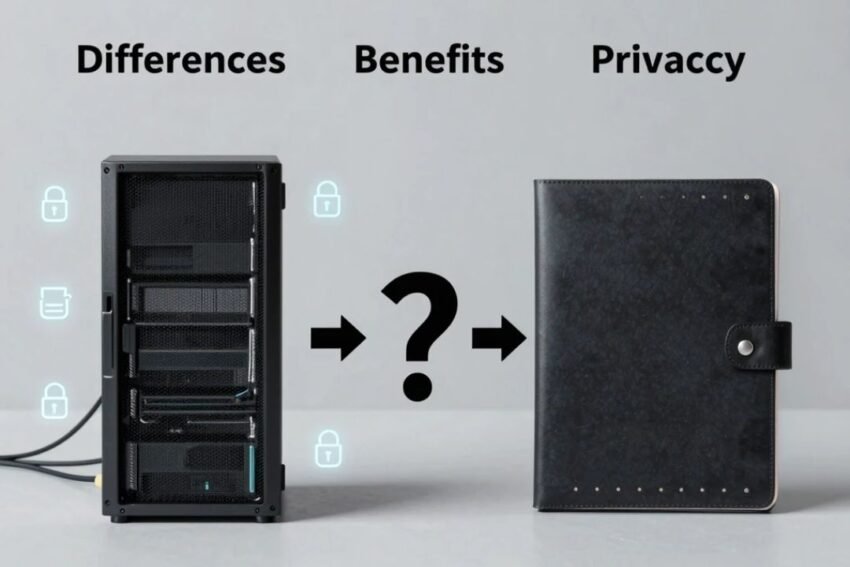
Although cybersecurity and privacy are closely connected, they are not the same thing. Cybersecurity focuses primarily on protecting systems, networks, devices, applications, and information from unauthorized access, attacks, damage, or disruption. Privacy focuses on how personal information is collected, used, shared, stored, and managed.
Understanding the difference between cybersecurity vs privacy can help individuals and businesses make better decisions about digital protection.
A company may have strong cybersecurity controls but still collect more personal information than necessary. Similarly, a company may have privacy policies but weak security that allows attackers to steal customer data.
This guide explains the key differences between cybersecurity and privacy, their benefits, common risks, and practical ways to protect personal and business information in 2026.
What Is Cybersecurity?
Cybersecurity is the practice of protecting digital systems, networks, applications, devices, and information from cyber threats.
Cybersecurity focuses on preventing unauthorized access, detecting suspicious activity, responding to incidents, and recovering from attacks.
Common cybersecurity measures include:
- Password protection
- Multi-factor authentication
- Firewalls
- Antivirus and endpoint security
- Encryption
- Network security
- Security monitoring
- Vulnerability management
- Backup systems
- Incident response
The main goal is to keep digital resources secure and available to authorized users.
What Is Privacy?
Privacy refers to how information about individuals is collected, used, stored, shared, and controlled.
Privacy is particularly concerned with personal information such as:
- Names
- Email addresses
- Phone numbers
- Locations
- Financial information
- Online activity
- Health-related information
- Identification details
- Account information
Privacy practices help determine what information organizations collect and why they collect it.
A privacy-conscious organization should provide appropriate transparency and handle personal information according to applicable requirements and stated purposes.
Cybersecurity vs Privacy: The Main Difference
The simplest way to understand the difference is:
Cybersecurity protects information and systems from threats.
Privacy governs how personal information is collected and used.
For example, imagine an online shopping company stores customer names, addresses, and payment information.
Cybersecurity asks:
How can this information be protected from hackers?
Privacy asks:
Why is this information being collected, how is it being used, and who is allowed to receive it?
Both questions are important.
Strong security can help prevent unauthorized access, while good privacy practices can reduce unnecessary collection and misuse of personal information.
How Cybersecurity and Privacy Work Together
Cybersecurity and privacy often overlap.
Consider personal data stored in a cloud database.
Privacy principles may require the organization to limit access and retain the information only when necessary.
Cybersecurity controls can then enforce those requirements using:
- Access controls
- Encryption
- Authentication
- Monitoring
- Network security
In this way, privacy establishes important rules around personal information while cybersecurity provides technologies and processes that help enforce protection.
Major Cybersecurity Risks
Individuals and organizations face many different cybersecurity threats.
Phishing
Phishing attacks use fraudulent messages to trick users into revealing information or clicking malicious links.
Malware
Malware is malicious software designed to damage systems, steal information, or gain unauthorized access.
Ransomware
Ransomware can prevent users from accessing files or systems and may demand payment.
Credential Theft
Attackers may steal passwords or authentication information to access accounts.
Data Breaches
A data breach can expose sensitive information to unauthorized parties.
Social Engineering
Social engineering manipulates people into performing actions that create security risks.
These threats demonstrate why strong cybersecurity controls are necessary.
Major Privacy Risks
Privacy risks can occur even without a traditional cyberattack.
Excessive Data Collection
Organizations may collect information that is not necessary for their services.
Unclear Data Usage
Users may not understand how their information is being used.
Unnecessary Data Sharing
Personal information may be shared with third parties in ways users do not expect.
Long Data Retention
Keeping personal information longer than necessary can increase privacy and security risks.
Tracking
Websites and applications can collect information about user activity for analytics, advertising, personalization, or other purposes.
Identity Exposure
Poor privacy practices can increase the amount of personal information available to attackers or other unauthorized parties.
Why Cybersecurity Is Important
Strong cybersecurity provides several important benefits.
Protection Against Attacks
Security controls can reduce exposure to malware, phishing, unauthorized access, and other threats.
Data Protection
Encryption and access controls can help protect sensitive information.
Business Continuity
Backups and recovery systems can help organizations continue operations after incidents.
Account Security
MFA and strong authentication can reduce the risk of account takeover.
Customer Trust
Businesses that protect customer information can strengthen confidence in their digital services.
Why Privacy Is Important
Privacy provides a different set of benefits.
Greater Control Over Personal Information
Privacy practices can give people greater understanding and control over their information.
Reduced Data Exposure
Collecting less unnecessary information can reduce potential exposure.
Transparency
Clear privacy practices help users understand how their information is handled.
Better Data Management
Organizations can improve data governance by identifying what information they actually need.
Regulatory Compliance
Privacy requirements can create obligations for organizations that collect and process personal information.
Cybersecurity and Privacy in Businesses
Businesses need to manage both cybersecurity and privacy.
A company may collect information from:
- Customers
- Employees
- Website visitors
- Suppliers
- Business partners
This information needs appropriate protection.
A comprehensive strategy can include:
- Identify sensitive information.
- Understand why it is collected.
- Limit unnecessary data collection.
- Apply appropriate security controls.
- Restrict access.
- Encrypt sensitive information.
- Establish retention policies.
- Monitor systems.
- Train employees.
- Prepare for security incidents.
Combining privacy and cybersecurity can create a stronger data protection framework.
Strong Authentication for Better Protection
Authentication is an important cybersecurity control.
Users should avoid relying only on simple passwords.
Better approaches include:
- Unique passwords
- Password managers
- Multi-factor authentication
- Passkeys
- Hardware security keys
Important accounts such as email, financial services, cloud storage, and business platforms should receive additional protection.
Encryption and Privacy
Encryption is useful for both cybersecurity and privacy.
Encryption transforms information into a protected format that requires an appropriate key to access.
It can protect:
- Stored files
- Cloud information
- Online communications
- Backups
- Mobile devices
- Business databases
Encryption does not automatically guarantee privacy, but it can significantly improve the protection of sensitive information.
Data Minimization
One of the most practical privacy principles is data minimization.
Data minimization means collecting and retaining only information that is reasonably necessary for a specific purpose.
For example, if an application does not need a user’s precise location to provide its core service, collecting that information may create unnecessary privacy exposure.
Businesses can apply data minimization by:
- Reviewing data collection forms
- Removing unnecessary fields
- Deleting old information
- Limiting data retention
- Restricting internal access
Less unnecessary data can also reduce the amount of information that must be protected.
Privacy Settings and Personal Accounts
Individuals can improve their privacy by regularly reviewing account settings.
Check:
- Profile visibility
- Location permissions
- Application permissions
- Advertising preferences
- Connected applications
- Account activity
- Login sessions
Users should also remove applications and services they no longer use.
Old accounts can remain a source of unnecessary data exposure if they are not properly secured or deleted.
Social Media Privacy
Social media platforms can contain large amounts of personal information.
Users should be careful about sharing:
- Home addresses
- Phone numbers
- Financial details
- Travel plans
- Identification information
- Private photographs
- Security-related information
Public information can sometimes be combined with information from other sources to create detailed profiles.
Reviewing social media privacy settings can help limit unnecessary exposure.
Browser and Online Privacy
Web browsers can interact with many websites and online services.
Users can improve privacy by:
- Reviewing cookie settings
- Managing website permissions
- Limiting unnecessary extensions
- Keeping browsers updated
- Checking privacy controls
- Avoiding suspicious websites
Privacy-focused settings can reduce certain forms of tracking, although no single browser setting can eliminate every form of online tracking.
Cloud Security and Privacy
Cloud services are widely used for personal and business information.
Cloud security practices should include:
- Strong authentication
- Access controls
- Encryption
- Permission reviews
- Security alerts
- Backup strategies
Privacy considerations should also include understanding:
- What data is stored
- Why it is stored
- Who can access it
- How long it is retained
- How it is shared
Users should review the privacy and security settings of cloud services before storing sensitive information.
AI, Cybersecurity and Privacy
Artificial intelligence introduces new opportunities and risks.
AI systems can help cybersecurity teams detect threats, analyze activity, and automate security operations.
At the same time, AI systems may process large amounts of information.
Organizations should consider privacy when using AI tools.
Before entering sensitive information into an AI service, users should understand:
- What data is being processed
- How the information is handled
- Whether data may be retained
- Who can access the information
- What organizational policies apply
AI agents also require careful permission management because they may be able to interact with applications and business systems.
Zero Trust and Privacy Protection
Zero Trust security is based on the idea that access should be continuously verified rather than automatically trusted.
Important Zero Trust principles include:
- Verify identity
- Use least privilege
- Monitor access
- Segment networks
- Protect devices
- Continuously evaluate risk
Zero Trust primarily addresses cybersecurity, but strong access controls can also support privacy by limiting who can access personal information.
Common Mistakes People Make
Several mistakes can weaken both cybersecurity and privacy.
Reusing Passwords
One compromised password can put multiple accounts at risk.
Ignoring Updates
Unpatched software may contain known security vulnerabilities.
Sharing Too Much Information
Unnecessary personal information can increase privacy exposure.
Clicking Unknown Links
Malicious links can lead to phishing or malware.
Giving Excessive App Permissions
Applications should not automatically receive access to information they do not need.
Using Unsecured Devices
Public or shared devices may not provide sufficient security for sensitive activities.
Ignoring Account Alerts
Unexpected login notifications can be an early warning sign of account compromise.
Best Cybersecurity and Privacy Practices in 2026
Individuals can follow several practical steps.
Secure Important Accounts
Use strong passwords, MFA, or passkeys.
Update Devices
Keep operating systems, browsers, applications, and firmware updated.
Protect Sensitive Data
Use encryption and secure storage where appropriate.
Review Privacy Settings
Regularly check what information applications and websites can access.
Limit Personal Information
Avoid sharing unnecessary information online.
Use Secure Networks
Protect home Wi-Fi and exercise caution on public networks.
Back Up Important Files
Maintain reliable backups of important information.
Be Careful With AI
Avoid entering confidential information into AI services without understanding the applicable security and privacy controls.
Monitor Accounts
Watch for unusual logins, transactions, and security notifications.
Cybersecurity vs Privacy: Why Both Matter
Cybersecurity without privacy can still leave people with concerns about unnecessary data collection or inappropriate data use.
Privacy without strong cybersecurity can also create problems because personal information may be exposed through attacks or unauthorized access.
Therefore, organizations should treat cybersecurity and privacy as connected but distinct responsibilities.
A strong approach combines:
Secure systems + responsible data practices + controlled access + transparency
This combination can help protect both digital infrastructure and personal information.
The Future of Cybersecurity and Privacy
The relationship between cybersecurity and privacy is likely to become increasingly important.
Cloud computing, artificial intelligence, connected devices, digital identity, and automated systems are increasing the amount of information being processed digitally.
Future security strategies may increasingly use:
- AI-powered threat detection
- Zero Trust architectures
- Passwordless authentication
- Privacy-enhancing technologies
- Stronger encryption
- Automated security monitoring
- Data minimization
- Decentralized identity
- Post-quantum cryptography
Organizations will need to consider privacy and security during the design of new digital products rather than treating them as separate concerns added later.
Conclusion
Understanding cybersecurity vs privacy is essential in an increasingly digital world.
Cybersecurity focuses on protecting systems, devices, networks, applications, and information from unauthorized access, attacks, and disruption. Privacy focuses on how personal information is collected, used, stored, shared, and managed.
The two areas are different, but they work closely together. Strong cybersecurity can help protect personal information, while responsible privacy practices can reduce unnecessary data collection and exposure.
Individuals can improve their digital protection by using unique passwords, MFA or passkeys, encryption, software updates, secure backups, careful browsing habits, and privacy settings.
Businesses should combine these practices with Zero Trust security, access controls, employee training, data minimization, incident response, cloud security, and appropriate AI governance.
As technology continues to develop, cybersecurity and privacy in 2026 will remain critical components of digital trust.
The goal is not simply to protect information from hackers. It is also to ensure that personal information is collected responsibly, accessed appropriately, stored securely, and used for legitimate purposes.
Good cybersecurity protects data from threats, while good privacy protects people’s control over their information. Together, they provide a stronger foundation for a safer and more trustworthy digital environment.