Introduction
The gaming industry is evolving faster than ever before. Over the past few decades, video games have transformed from simple pixel-based entertainment into complex, immersive experiences enjoyed by billions of people worldwide. Today, gaming is not just about playing for fun; it has become a powerful combination of technology, storytelling, competition, and social interaction.
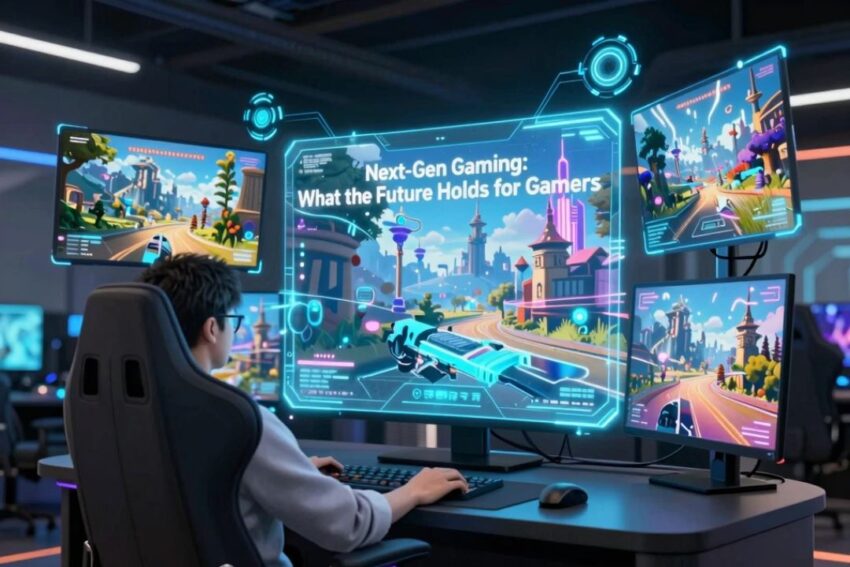
As technology advances, the next generation of gaming is set to bring revolutionary changes that will redefine how gamers play, connect, and experience digital worlds. Innovations in artificial intelligence, virtual reality, cloud computing, and graphics technology are paving the way for a future where games feel more realistic, interactive, and accessible than ever before. This article explores the exciting possibilities that next-generation gaming will bring and how these advancements will shape the future of the gaming industry.
The Evolution of Gaming Technology
To understand the future of gaming, it is important to look at how far the industry has come. Early video games were limited by simple graphics, basic controls, and minimal storytelling. As technology improved, developers were able to create larger worlds, more detailed characters, and deeper gameplay mechanics.
Today’s modern games feature open-world environments, cinematic storytelling, and online multiplayer experiences that connect players across the globe. Gaming consoles, powerful PCs, and even smartphones can now deliver high-quality gaming experiences.
However, the next generation of gaming will push these advancements even further. New technologies will not only improve graphics and performance but will also change how games are developed, distributed, and played.
Artificial Intelligence and Smarter Gameplay
Artificial intelligence will play a major role in shaping the future of gaming. In modern games, AI is mainly used to control non-player characters, enemy behavior, and basic decision-making systems. While this already enhances gameplay, future AI systems will become much more advanced.
Next-generation AI could allow game characters to react more realistically to player actions. Instead of following predictable patterns, enemies and allies could adapt to changing situations and learn from previous encounters. This would make gameplay more dynamic and challenging.
AI could also help create procedurally generated worlds where landscapes, missions, and quests are automatically designed based on player choices. This means gamers could experience unique stories and environments every time they play a game.
Another exciting possibility is AI-driven storytelling. Games might adjust their narratives depending on player decisions, creating personalized storylines that evolve naturally over time.
Virtual Reality: Entering the Game World
Virtual reality is one of the most exciting developments in gaming technology. VR allows players to step inside a digital environment and interact with it using motion controllers, head tracking, and immersive visuals.
In the next generation of gaming, VR technology will become more powerful and accessible. Future VR headsets may feature higher resolution displays, improved motion tracking, and lighter designs for better comfort during long gaming sessions.
Developers are also working on haptic feedback technology that allows players to feel physical sensations in the virtual world. For example, players might feel vibrations when firing a weapon or touching objects within the game.
These improvements will make VR gaming far more immersive, allowing players to experience adventures, sports, simulations, and exploration in ways that feel almost real.
Cloud Gaming and Instant Access
Cloud gaming is another major innovation that will shape the future of gaming. Traditionally, players needed expensive hardware such as gaming consoles or powerful computers to run high-quality games. Cloud gaming changes this by allowing games to run on remote servers while the player streams the gameplay through the internet.
With cloud gaming, players can access games on almost any device, including smartphones, tablets, laptops, and smart TVs. This removes the need for costly hardware upgrades and makes gaming more accessible to a larger audience.
In the future, faster internet speeds and improved cloud infrastructure will make streaming games smoother and more reliable. Gamers will be able to instantly access large game libraries without downloading or installing anything.
This could completely change how games are distributed and played, making gaming more flexible and convenient for players around the world.
The Growth of Cross-Platform Gaming
Another trend shaping next-generation gaming is cross-platform play. In the past, players on different gaming systems were often separated. For example, console players could only play with others using the same console.
However, many modern games now allow players from different platforms—such as PC, consoles, and mobile devices—to play together. This trend is expected to grow even further in the future.
Cross-platform gaming creates larger online communities and allows friends to play together regardless of the device they use. Developers are increasingly designing games that support multiple platforms to reach a wider audience and provide more connected gaming experiences.
Advanced Graphics and Realistic Worlds
One of the most noticeable improvements in next-generation gaming will be visual quality. New graphics technologies will allow developers to create extremely detailed environments, realistic lighting effects, and lifelike character animations.
Technologies such as real-time ray tracing simulate how light behaves in the real world, creating reflections, shadows, and lighting that look incredibly realistic. Future game engines will make it easier for developers to build massive open worlds filled with interactive elements.
These advancements will make games feel more like living environments where players can explore dynamic ecosystems, realistic cities, and detailed landscapes.
The Rise of Esports and Professional Gaming
Esports has already become a major global phenomenon, attracting millions of viewers and offering large prize pools for professional players. Competitive gaming tournaments are streamed online and held in massive arenas filled with fans.
In the future, esports is expected to continue growing in popularity and influence. Professional gaming teams, sponsorship deals, and international tournaments will likely become even more common.
Many schools and universities are also starting to offer esports programs and scholarships for talented gamers. This shows that gaming is no longer just entertainment—it can also be a legitimate career path for skilled players.
Social Gaming and Digital Communities
Gaming has become one of the most powerful platforms for social interaction. Multiplayer games allow players to communicate, collaborate, and compete with people from all over the world.
In the future, social gaming experiences will become even more advanced. Virtual worlds may function as digital meeting places where players can attend events, explore environments together, and participate in community activities.
Some game platforms are already experimenting with virtual concerts, social hubs, and user-generated content systems where players can create and share their own experiences. These developments could transform gaming into a new type of digital society where creativity and collaboration play a central role.
Conclusion
Next-generation gaming will bring exciting innovations that will transform the way people experience digital entertainment. From advanced artificial intelligence and immersive virtual reality to cloud gaming and realistic graphics, the future holds incredible possibilities for gamers around the world.
As technology continues to evolve, gaming will become more interactive, accessible, and socially connected than ever before. Players will be able to explore vast virtual worlds, build communities, and experience stories in ways that were once impossible.
The next era of gaming is not just about better graphics or faster hardware—it is about creating richer experiences that bring players closer to the worlds they love. For gamers everywhere, the future promises to be more exciting, immersive, and innovative than ever before.