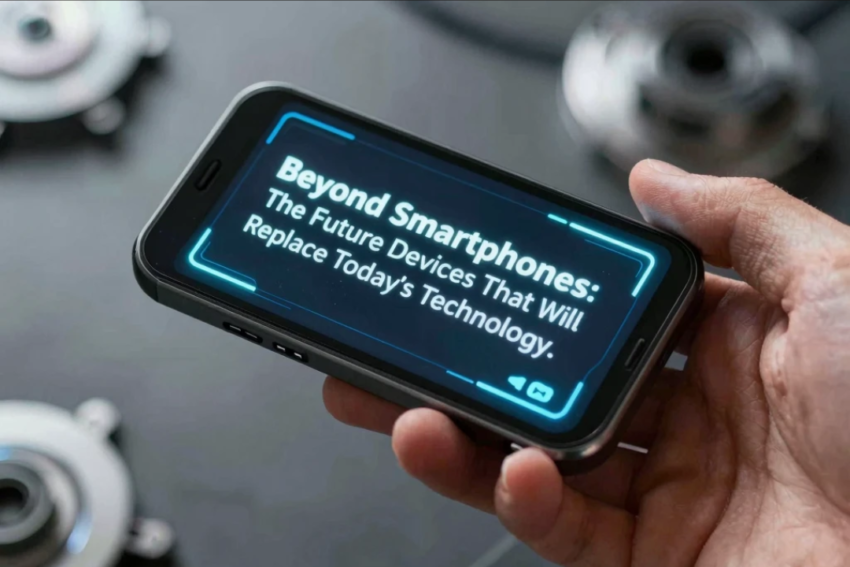
For more than a decade, smartphones have been the center of modern digital life. People use them to communicate, work, shop, learn, and entertain themselves. However, technology never stays the same forever. Just as smartphones replaced many older devices like cameras, MP3 players, and GPS systems, new technologies are emerging that may eventually replace smartphones themselves.
In the coming decades, innovative devices such as wearable technology, augmented reality glasses, brain-computer interfaces, and smart assistants could completely transform how people interact with digital information. Instead of holding a phone in their hands, people may experience technology in more natural and seamless ways.
This article explores the future devices that could replace today’s smartphones and how they may change everyday life.
The Limitations of Smartphones
Smartphones are powerful devices, but they still have limitations. People constantly need to look down at screens, type on small keyboards, and carry devices everywhere they go. These interactions can sometimes feel unnatural or distracting.
In addition, smartphones rely heavily on screens and touch controls. As technology evolves, developers are searching for more intuitive ways for humans to interact with digital systems. Voice commands, gestures, eye tracking, and even brain signals could eventually replace traditional smartphone interfaces.
Because of these limitations, technology companies and researchers are working on new types of devices that offer more immersive and convenient experiences.
Augmented Reality Glasses
One of the most promising replacements for smartphones is augmented reality (AR) glasses. These glasses look similar to regular eyewear but contain tiny displays, sensors, and processors that overlay digital information onto the real world.
With AR glasses, people could see directions, messages, notifications, and other digital content directly in their field of vision. Instead of pulling out a phone to check a map, directions would appear in front of their eyes while walking or driving.
For example, while shopping, AR glasses could display product information, reviews, and price comparisons instantly. In workplaces, technicians could see instructions and diagrams while repairing machines.
In education, students might view interactive 3D models of historical landmarks, scientific structures, or space systems. This type of immersive learning could improve understanding and engagement.
As AR technology improves and devices become smaller and more affordable, many experts believe AR glasses could eventually replace smartphones as the main personal computing device.
Wearable Technology
Wearable technology is another major step toward a post-smartphone world. Devices such as smartwatches, smart rings, and smart clothing are already becoming popular.
In the future, wearables may become powerful enough to handle many tasks currently performed by smartphones. These devices will likely include advanced sensors that monitor health, track activity, and connect to cloud-based services.
For example, a smart ring could allow users to make payments, unlock doors, control smart home devices, and receive notifications. Smartwatches may become powerful communication hubs that allow users to make calls, send messages, and access information without needing a separate phone.
Wearable devices are also expected to play an important role in healthcare. Sensors embedded in clothing or accessories could continuously monitor vital signs such as heart rate, blood pressure, and oxygen levels. Doctors could use this data to detect health problems earlier and provide better treatment.
Because wearable devices are always with the user, they offer a more seamless way to stay connected to digital services.
Voice-Based Smart Assistants
Voice technology has improved dramatically in recent years, and it may become one of the main ways people interact with future devices.
Instead of typing or tapping on screens, users may simply speak commands to intelligent assistants that understand natural language. These assistants could perform tasks such as sending messages, scheduling appointments, controlling home devices, and searching for information.
In the future, voice assistants may be integrated into many everyday objects, including earbuds, glasses, and household devices. A person might simply ask a question and instantly receive answers through audio feedback.
Advances in artificial intelligence will make these assistants more conversational and context-aware. They will be able to understand complex requests, remember preferences, and provide personalized recommendations.
This shift toward voice-based interaction could reduce the need for traditional smartphone interfaces.
Brain-Computer Interfaces
One of the most futuristic technologies currently being developed is the brain-computer interface (BCI). This technology allows direct communication between the human brain and digital devices.
A brain-computer interface works by detecting electrical signals produced by the brain and translating them into commands that computers can understand. In the future, this could allow people to control devices simply by thinking.
For example, a person could send a message, control a computer, or interact with digital environments without touching a screen or speaking aloud.
Although this technology is still in early stages, it has already shown promise in helping people with disabilities control prosthetic limbs or communicate through computers.
If brain-computer interfaces continue to develop successfully, they could eventually change the way humans interact with technology entirely.
Smart Environments and Ambient Computing
Another important trend in future technology is ambient computing. In this system, technology becomes embedded in the environment rather than concentrated in a single device.
Instead of relying on smartphones, people will interact with intelligent systems built into homes, cars, offices, and public spaces. These systems will respond automatically to human presence and behavior.
For example, when a person enters their home, the lights might turn on automatically, the temperature may adjust to a comfortable level, and music could begin playing based on personal preferences.
Smart environments could also help with everyday tasks. A kitchen might suggest recipes based on available ingredients, while a car might automatically plan the fastest route to work.
In such a world, the need for a central device like a smartphone may become less important because digital services are available everywhere.
Challenges and Concerns
While these future devices offer exciting possibilities, there are also challenges that must be addressed.
Privacy is one of the biggest concerns. Devices that constantly collect data about users could raise questions about how personal information is stored and protected.
Another challenge is security. As more devices become connected to digital networks, protecting them from cyber threats will become increasingly important.
There are also social concerns related to technology dependence. As digital systems become more integrated into daily life, society will need to find a balance between convenience and healthy technology use.
Conclusion
Smartphones have dominated the technology landscape for many years, but they may not remain the center of digital life forever. New technologies such as augmented reality glasses, wearable devices, voice assistants, brain-computer interfaces, and smart environments are gradually changing how people interact with technology.
These innovations promise a future where digital information is more accessible, immersive, and seamlessly integrated into everyday life. Instead of staring at small screens, people may interact with technology through natural actions such as speaking, gesturing, or even thinking.
Although smartphones will likely remain important for many years, the next generation of devices could redefine personal technology and open the door to a more connected and intelligent world.
The future beyond smartphones is not just about new gadgets—it is about transforming the relationship between humans and technology. 🚀